Unitree leads cheap humanoid robot market via cost-cutting
Chinese robotics firm Unitree has captured the low-cost humanoid market with its G1 and R1 models, but intense founder micromanagement and a US import ban threaten its global momentum.
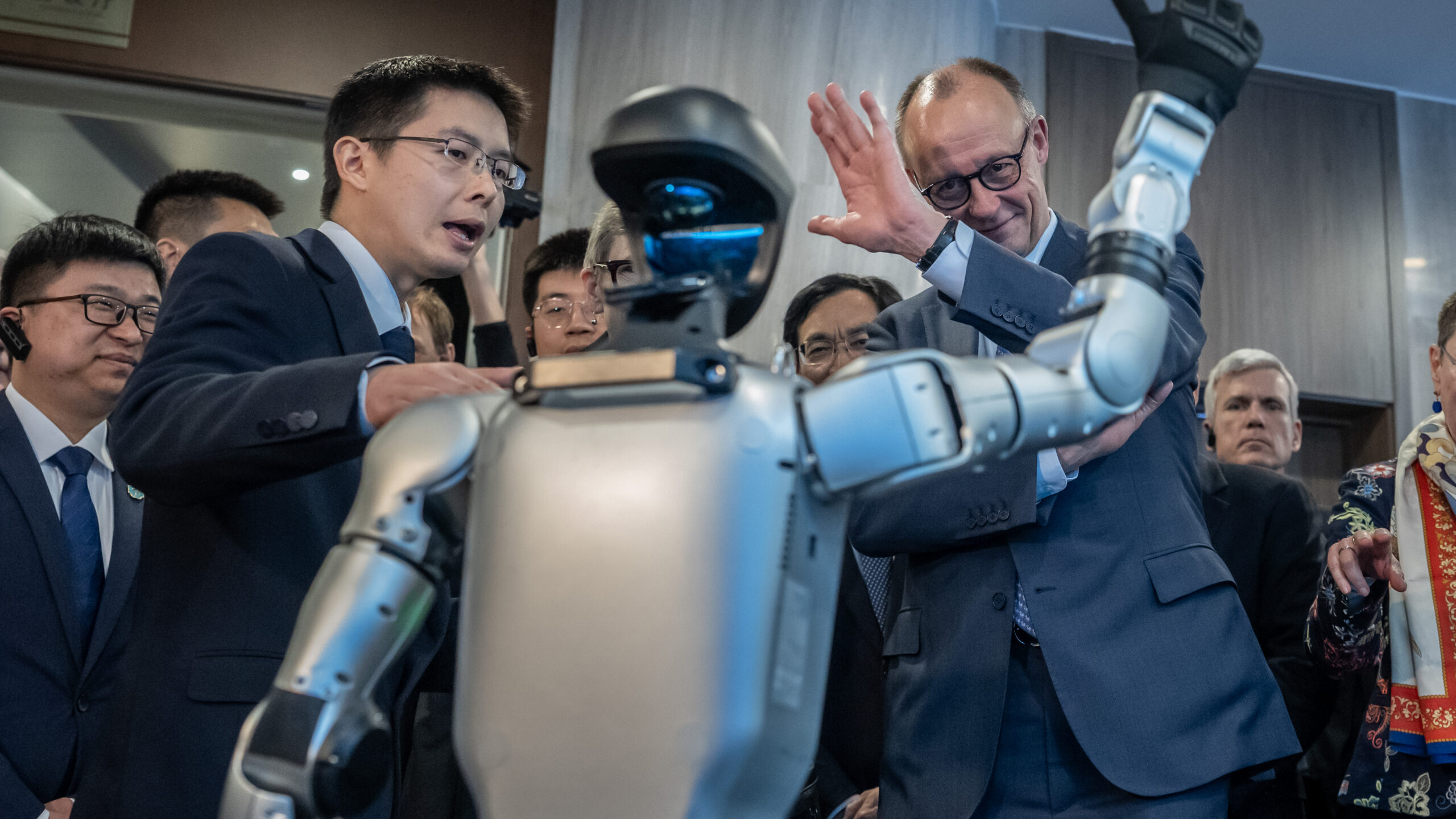
Unitree Robotics has established a dominant position in the affordable robotics sector, driven by founder Wang Xingxing's relentless focus on cost-cutting and hardware design. The company's baseline Unitree G1 humanoid robot, designed for researchers and developers, sells for $13,500 excluding shipping, while its consumer-oriented Unitree R1 model is priced at just $4,900. These aggressive price points have made walking robots accessible to a much broader audience, though reports indicate the low costs were achieved through design compromises that initially led to high repair return rates, which have only recently stabilized to last through six-month or one-year warranty periods.
This cost advantage stems from Wang's extreme micromanagement style at the 480-employee company. According to reports from Caijing Magazine, Wang personally approves design details down to screw lengths and material colors, and even signs off on individual employee expense reimbursements exceeding 100 yuan, or roughly $15. While this hands-on engineering focus enabled Unitree's August 19 initial public offering on the Shanghai Stock Exchange, it has also sparked high attrition among core staff in 2025 and 2026 due to a punitive corporate culture and decision-making bottlenecks.
For robotics practitioners, Unitree's trajectory highlights a shift in how physical AI is developed. While Wang has expressed skepticism toward compute-intensive large world models, Unitree is now attempting to integrate large AI models to achieve what Wang described as an "autonomous loop of perception, decision, execution, evaluation, learning, and evolution." This technical evolution occurs as China's Ministry of Industry and Information Technology projects domestic production of over 100,000 humanoid robots in 2026, up from a global total of 14,000 in 2025.
However, international developers face significant hurdles in adopting Unitree's hardware. A United States import ban on foreign-made robots enacted on July 28 has cut off US universities and tech firms from purchasing Unitree's latest models, forcing domestic distributors to pivot to US-based manufacturing. Furthermore, Unitree's post-IPO market valuation has cooled to around $30 billion, down 50 percent from its peak, amid regulatory pressure in China to favor robotics companies that can demonstrate recurring revenue and genuine innovation.
This is our own summary of reporting by Ars Technica AI


