Agility Robotics Unveils Safe Digit 5 Humanoid
Agility Robotics has introduced Digit 5, a humanoid robot designed to safely work alongside humans in warehouses and factories without the need for physical safety barriers.
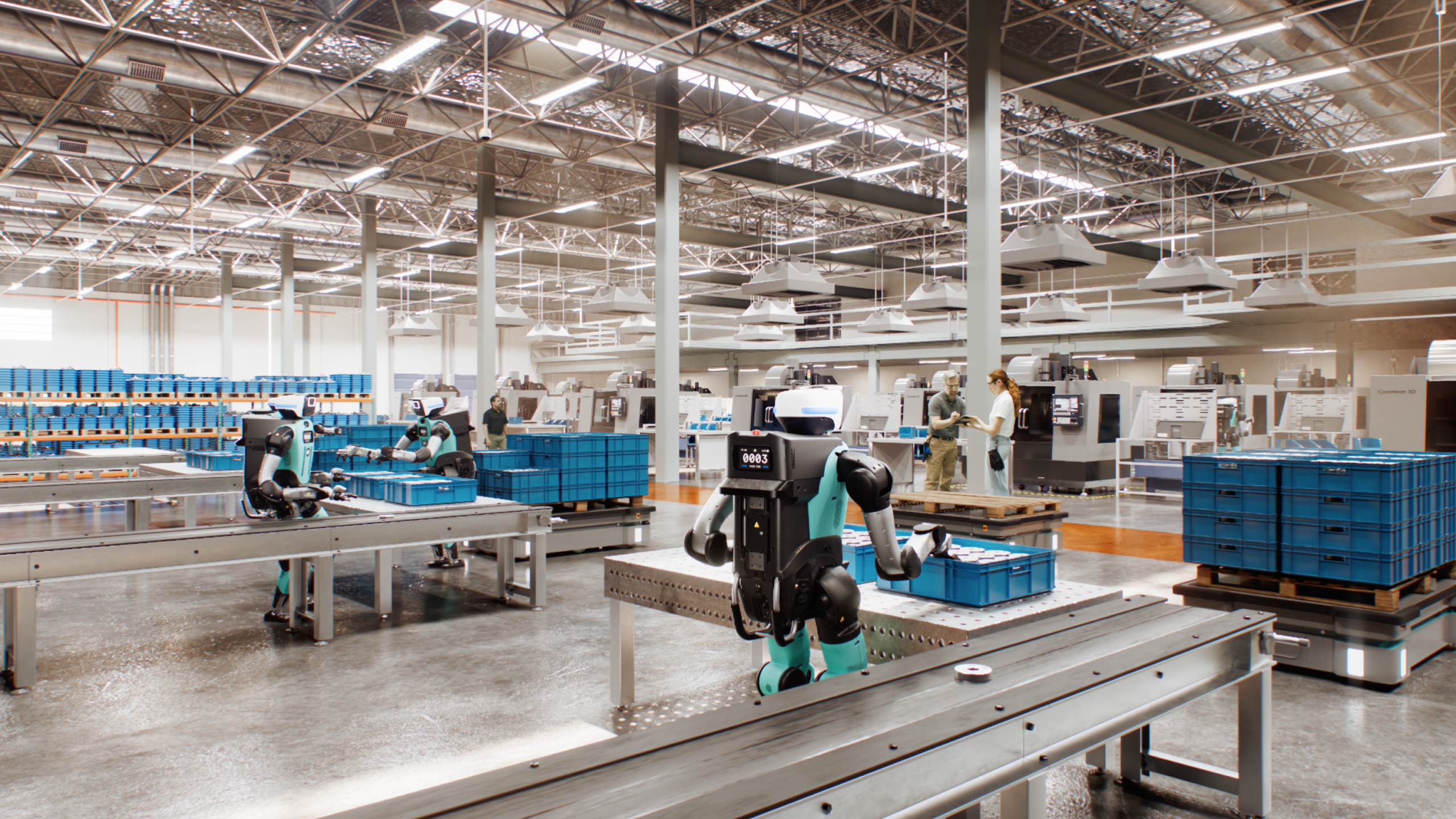
Agility Robotics has unveiled Digit 5, its latest humanoid robot engineered to operate safely alongside human workers in industrial environments. By autonomously taking precautions such as stopping, moving away, or squatting when a person approaches, the robot eliminates the need for isolated work cells or physical safety barriers. The company plans to offer early access to Digit 5 in the first half of 2027, with general availability scheduled by the end of that year. Production will take place at Agility's upgraded RoboFab manufacturing plant in Salem, Oregon.
The new model features significant physical and computational upgrades over its predecessor, Digit 4. Digit 5 stands 5 feet, 11 inches tall and can reach heights of up to 7.2 feet, compared to Digit 4's 5.5-foot reach. Its upgraded leg design allows it to repeatedly lift loads of up to 50 pounds, meeting the threshold for all single-person lift tasks defined by the U.S. Occupational Safety and Health Administration. Digit 5 runs on a battery that lasts 90 minutes on a single charge and recharges in just nine minutes, allowing the machine to work for more than 20 hours out of a 24-hour day. It also features a swappable gripper design to accommodate different end-effectors for various tasks.
To navigate safely, Digit 5 utilizes AI algorithms, vision-based multimodal sensors, and Nvidia's Thor IGX hardware. This compute platform integrates the Nvidia Halos for Robotics software stack to manage safety applications. Agility developed these features while participating in a working group for ISO 25785-1, an upcoming international safety standard for industrial mobile robots.
For warehouse and factory operators, Digit 5 represents a shift toward "cooperative safety." Earlier Digit models have already logged over 65,000 hours of work for clients like Amazon, GXO, Schaeffler, and Toyota Motor Manufacturing Canada. By allowing robots to safely share aisles and palletizing zones with humans, practitioners can deploy automation in existing layouts without expensive remodeling or safety cages, paving the way for direct human-robot collaboration.
This is our own summary of reporting by Ars Technica AI


